Wuyishan, Fujian Tulou, Gulangyu Island and Quanzhou opened Fujian from nature, settlement, exchange and sea trade respectively.
Wuyi Mountain: Nature and humanity are not two separate lines
Wuyi Mountain not only has valleys, peaks and forests, but is also related to academies, Neo-Confucianism and tea culture. When visiting, there is no need to separate mountain climbing, bamboo rafting and cultural tours into unrelated check-ins; instead, you can string together observations around "how water shapes mountains and how mountains affect people."
Jiuqu River is suitable for understanding the landscape pattern from the water surface, and the trails are suitable for observing the terrain and vegetation; the academy and tea culture connect the natural environment with ideas and craftsmanship. Specific activities are selected based on physical strength, weather and reservation conditions.
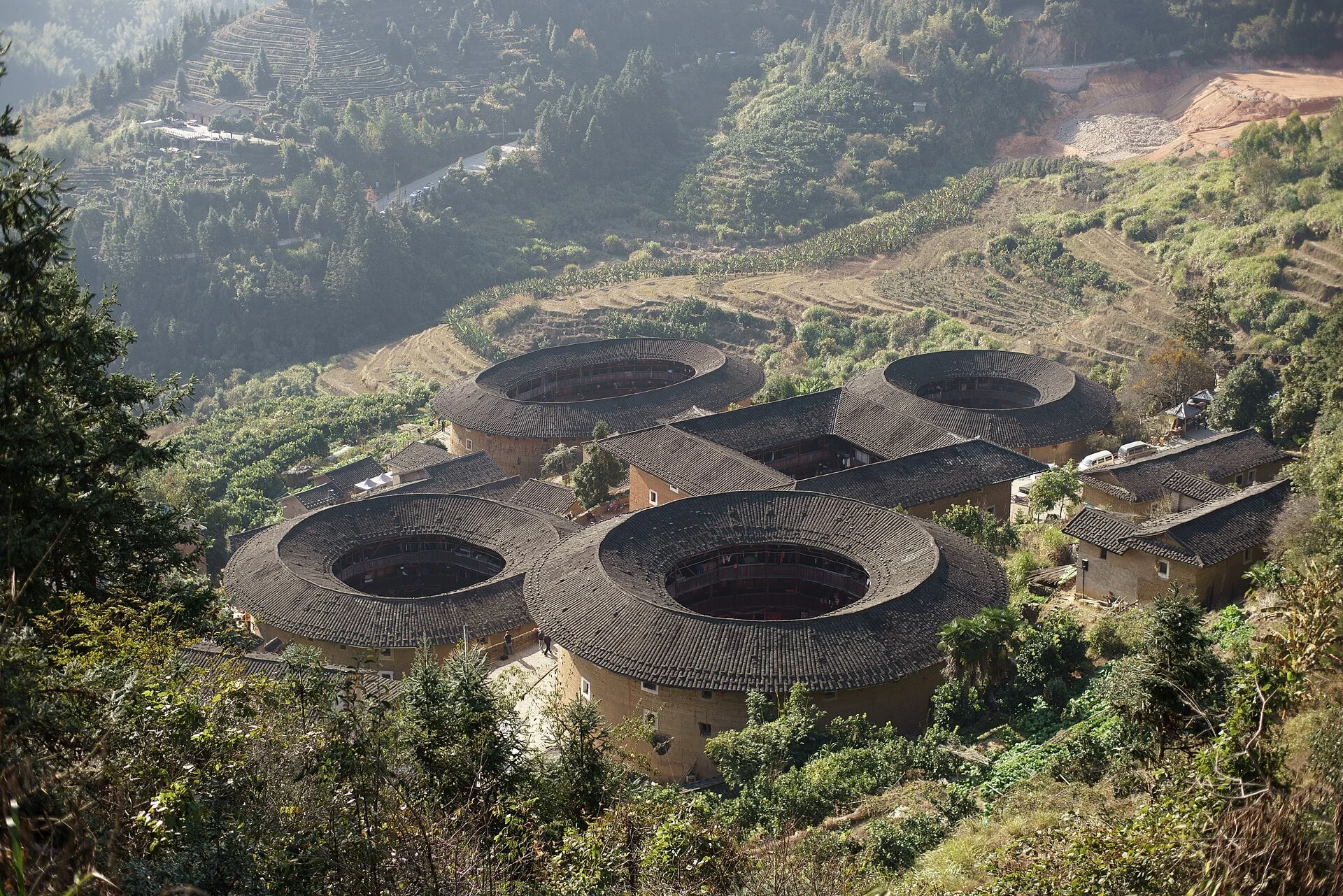
Fujian Tulou: The center of the building is communal living
Fujian earth buildings include representative buildings in different settlements in the mountainous areas of southwestern Fujian. Circles, squares, thick walls, courtyards and cloisters are not isolated shapes, they are related to defense, family organization, space allocation and community life.
Nanjing Tianluokeng and Longyan Yongding are different geographical destinations, and the location and transportation cannot be mixed just because they are both called tulou. Choose a settlement and take a look at it slowly, respecting the residents who are still living there, which is more rewarding than visiting multiple buildings in one day.
Gulangyu Island: Seeing Communication from Architecture
The historical district of Gulangyu Island combines different architectural styles, public spaces and international exchanges on the same island. When you look at a building, you don’t just look at the facade, but you also pay attention to the scale of the streets, gardens, climate adaptation and community life.
Going to the island requires a combination of tourist routes, piers and ticket arrangements. Walking and slopes on the island should be included in the physical budget. Ask for permission first when taking photos involving residential spaces and individuals.
Quanzhou: Putting maritime trade back into the urban scene
Quanzhou’s world heritage clues involve the different functions of the maritime trade center during the Song and Yuan Dynasties: port, transportation, production, religion and urban governance. The temple tower and the ancient bridge are not isolated attractions from each other, but evidence of understanding how the city works.
The ancient city walk, Luoyang Bridge and other peripheral points and exhibition hall visits can be arranged separately. First choose a main line of questions, such as how goods enter the city, how different groups of people get along, and then look for answers to space and cultural relics.
Turn the stories you read into your own journey.
Arrange a suitable Fujian route based on your dates, interests and traveling companions.